

Awakened by the Kitchen
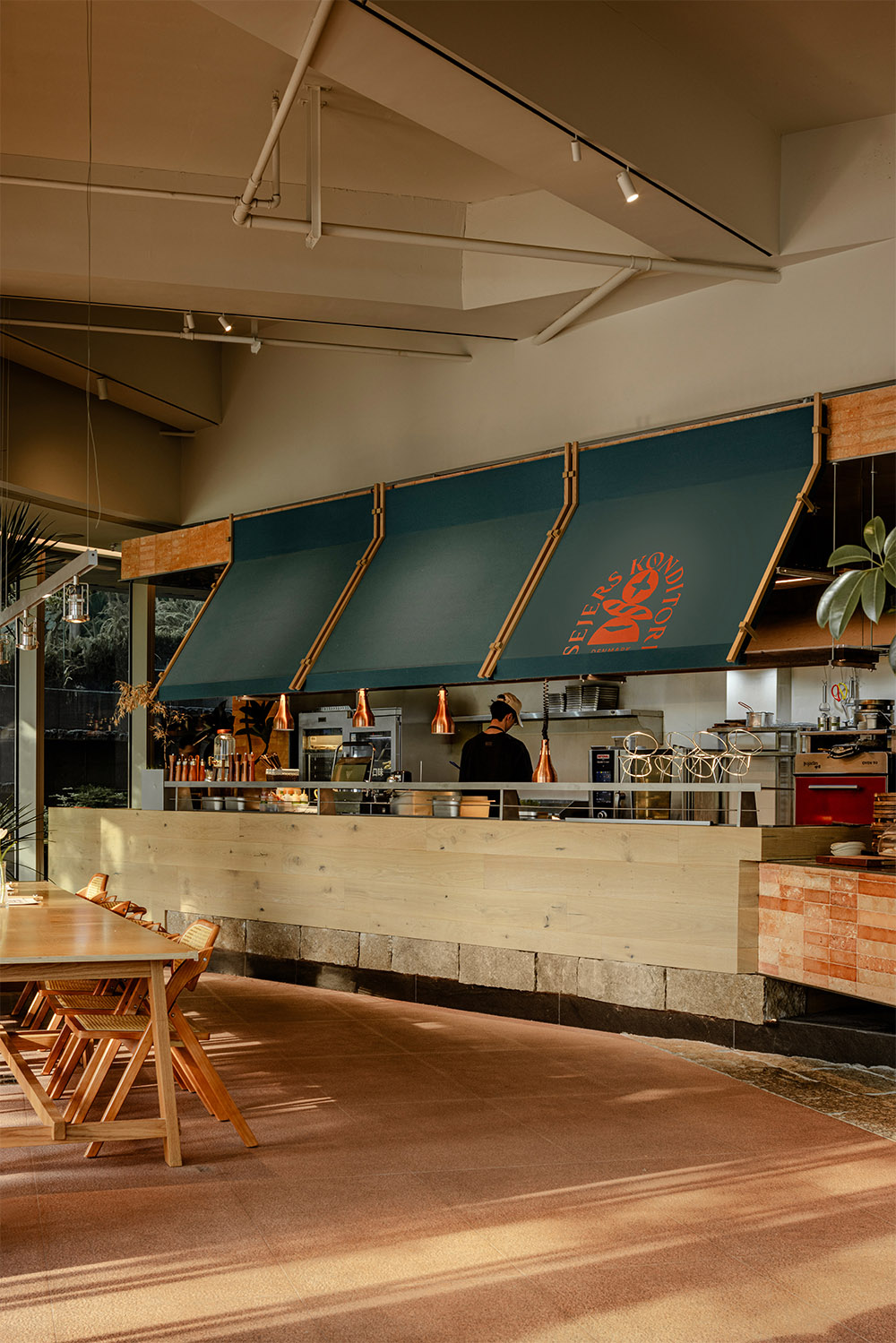
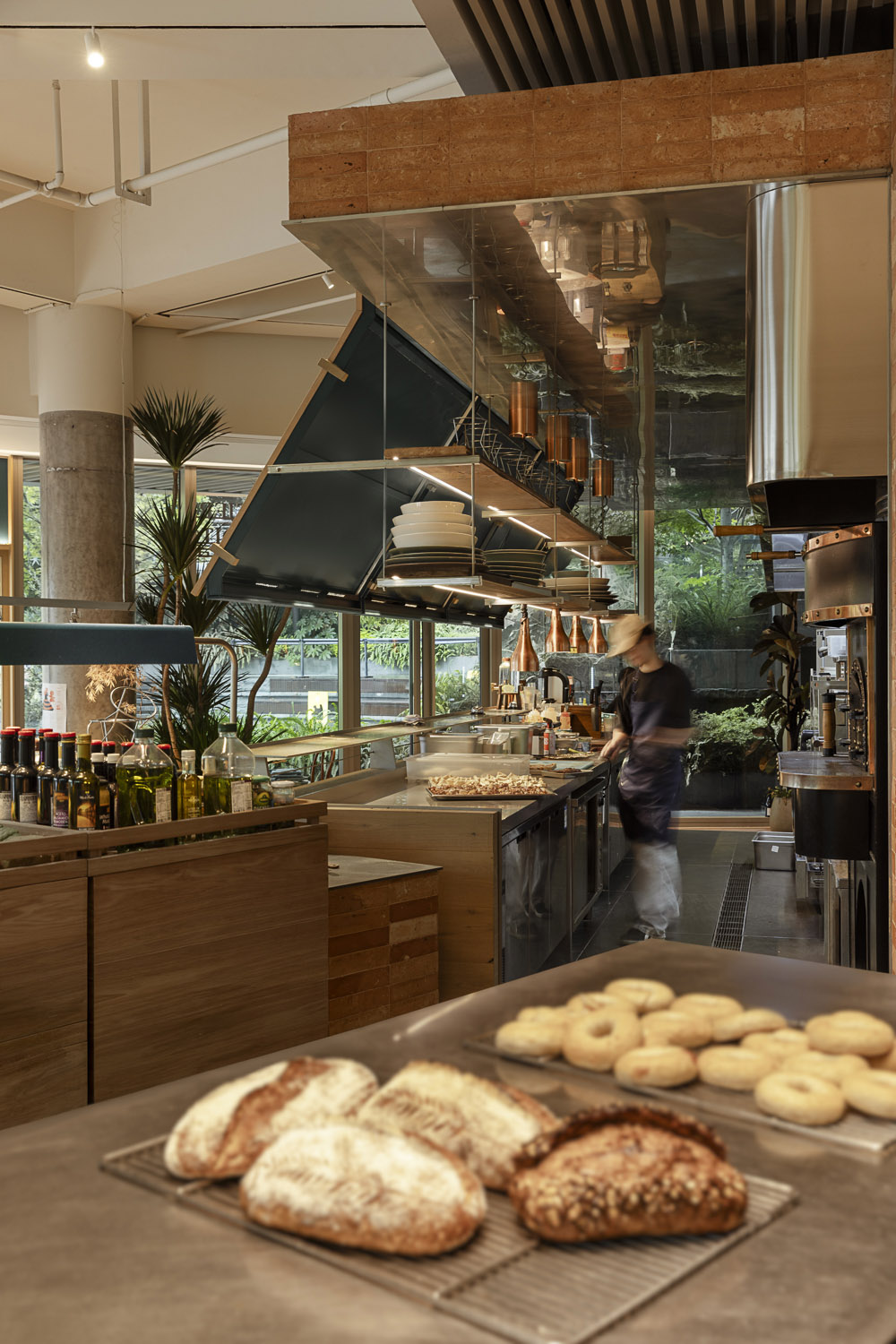
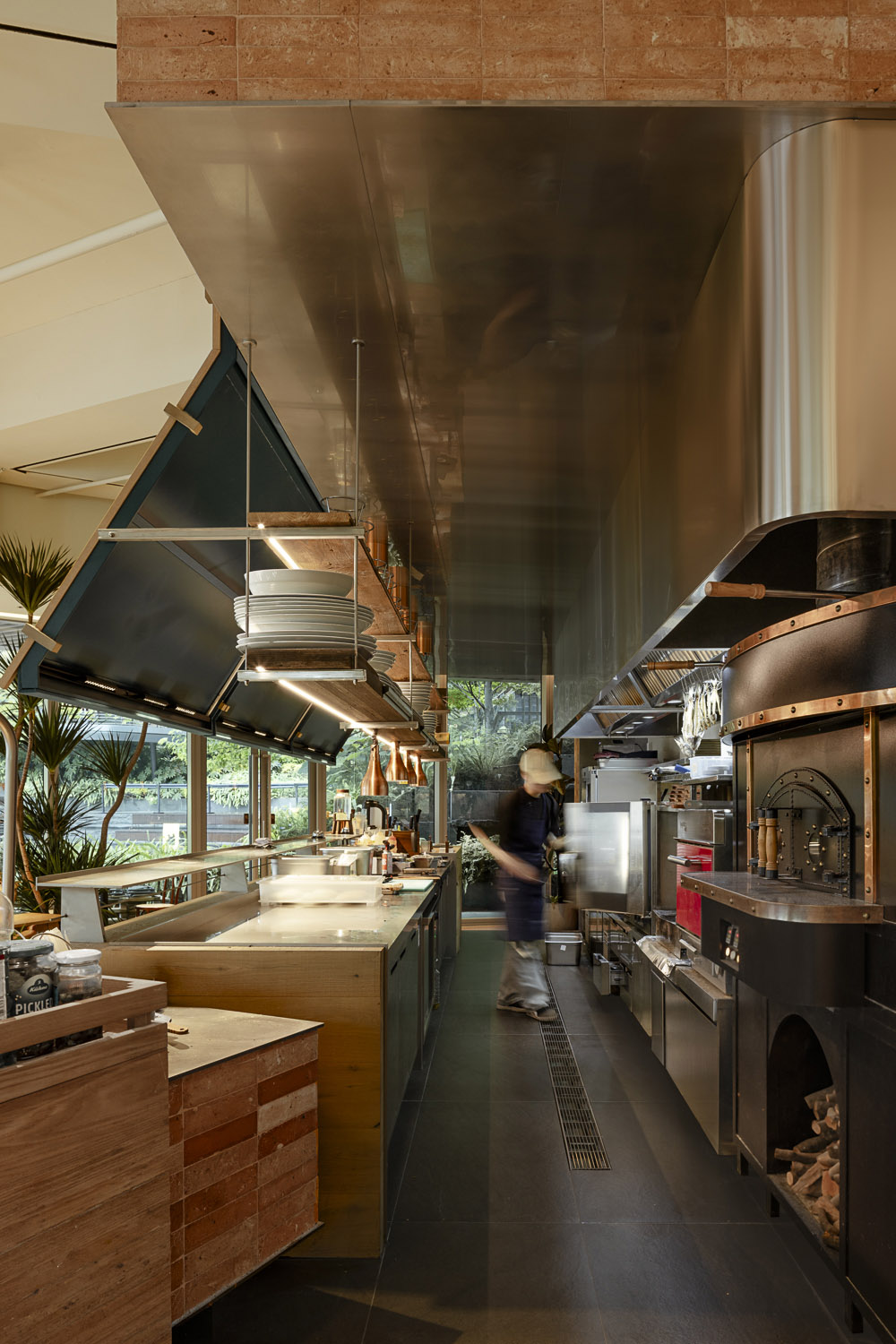
At Sejers Konditori, the kitchen is no longer hidden away.
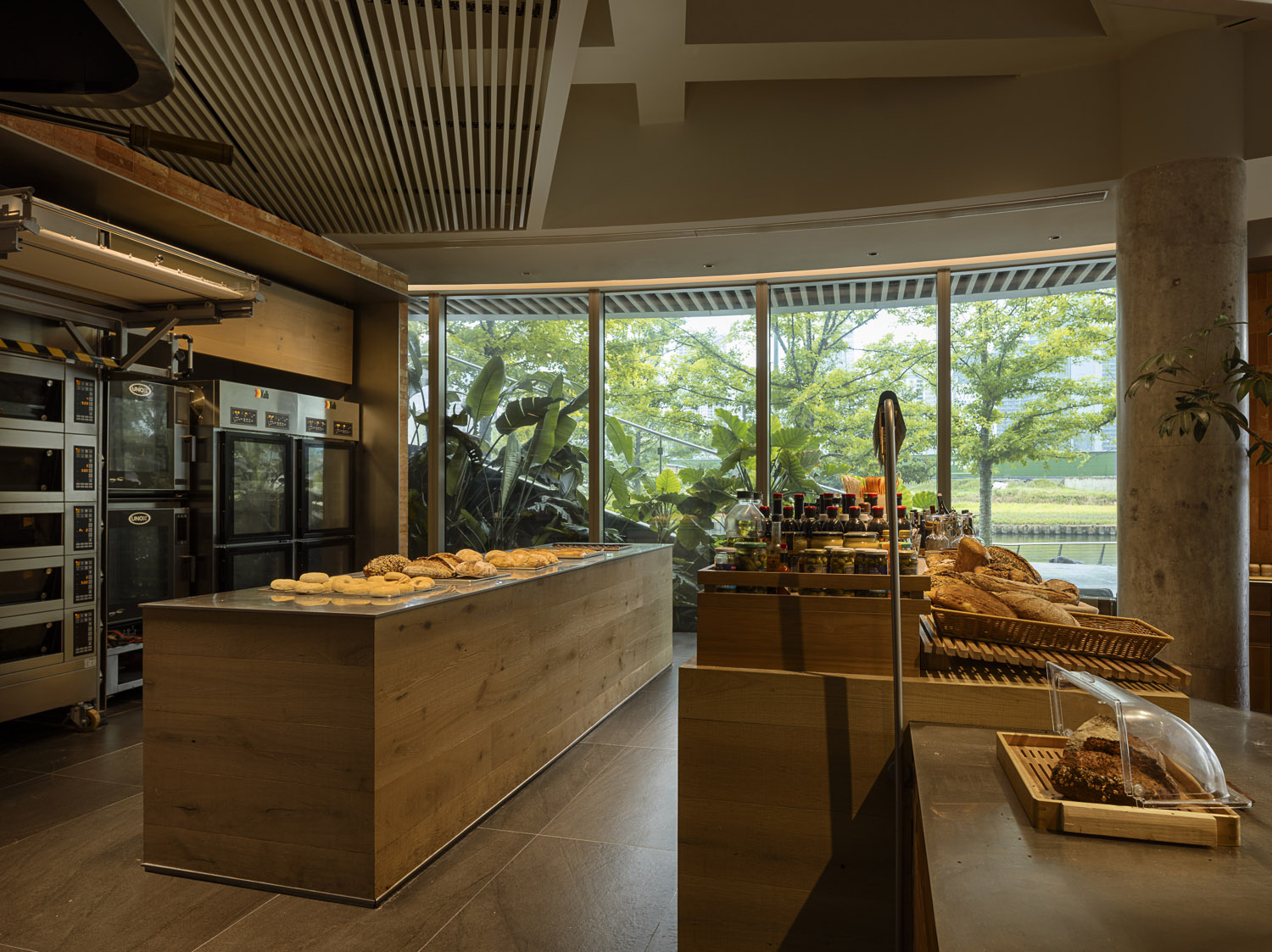
The journey of flour turning into bread, of raw ingredients becoming a meal—processes once kept behind closed doors—is brought back into the rhythm of daily life.
For WJ STUDIO, the concept of the "social kitchen" is more than a spatial layout; it is a philosophy of living. It is a place where ingredients are prepped, baked, cooked, and shared. Here, aromas, sounds, and warmth weave together the rawest moments of everyday life, naturally drawing people closer to their food and to each other.
01 Community Connector
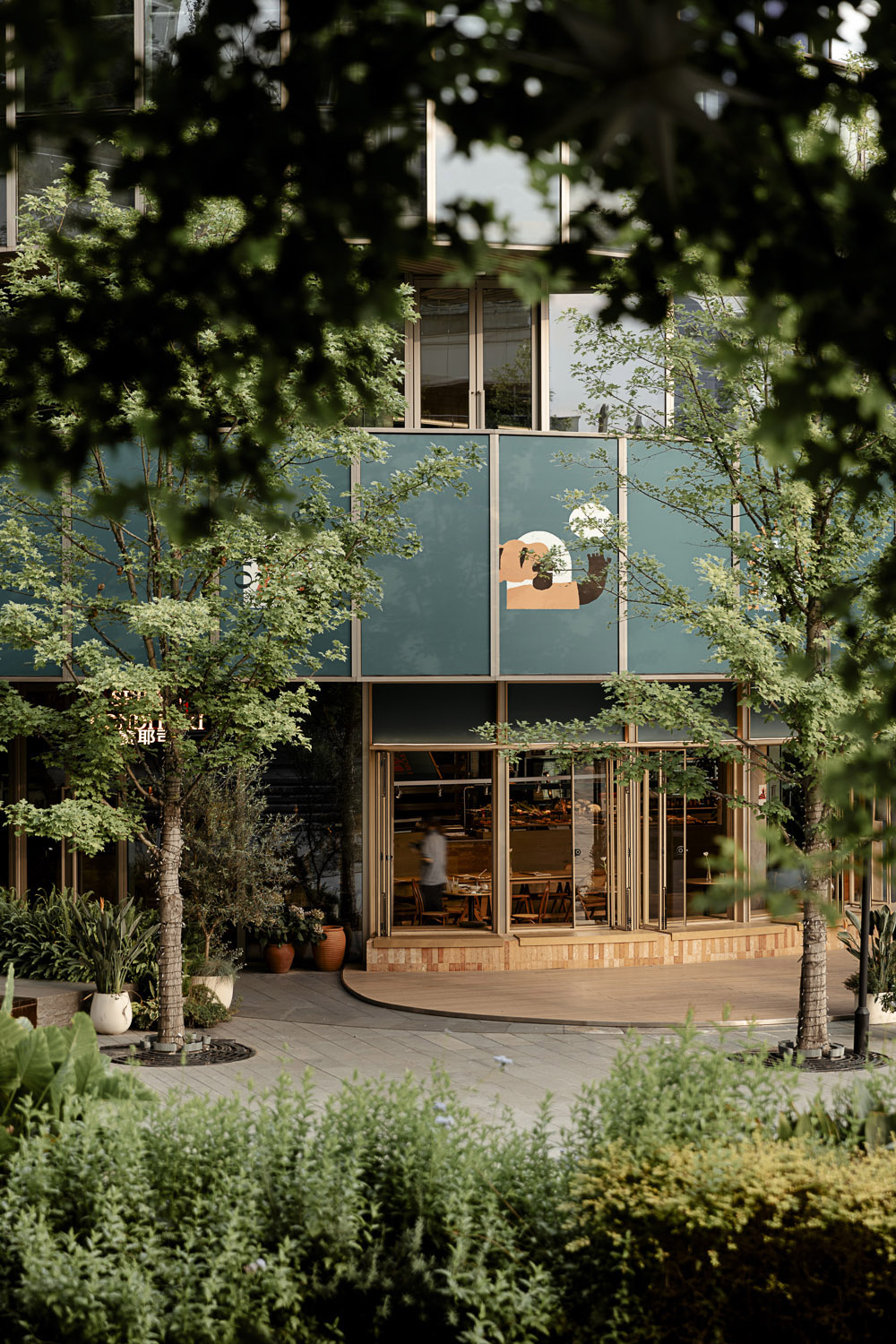
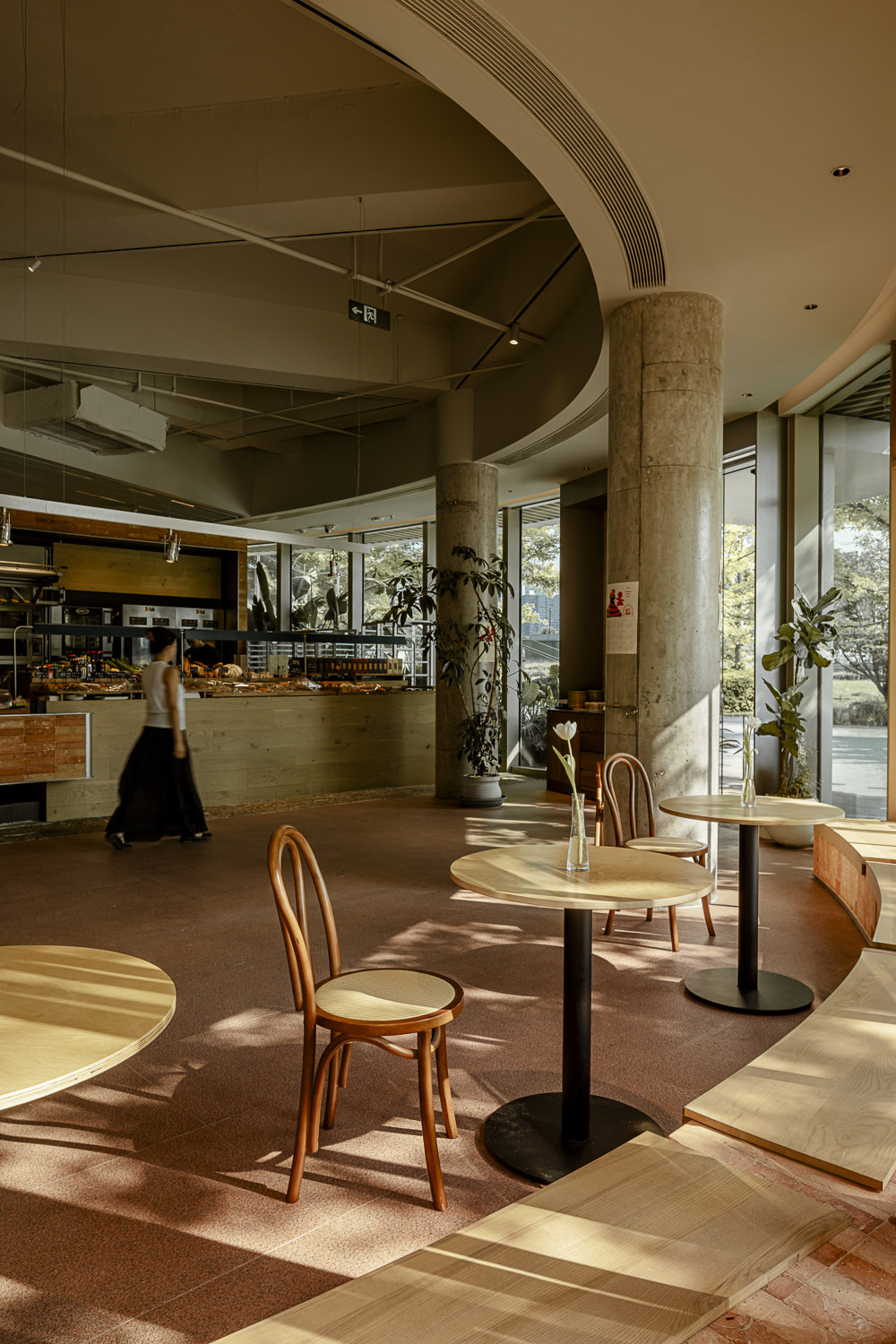
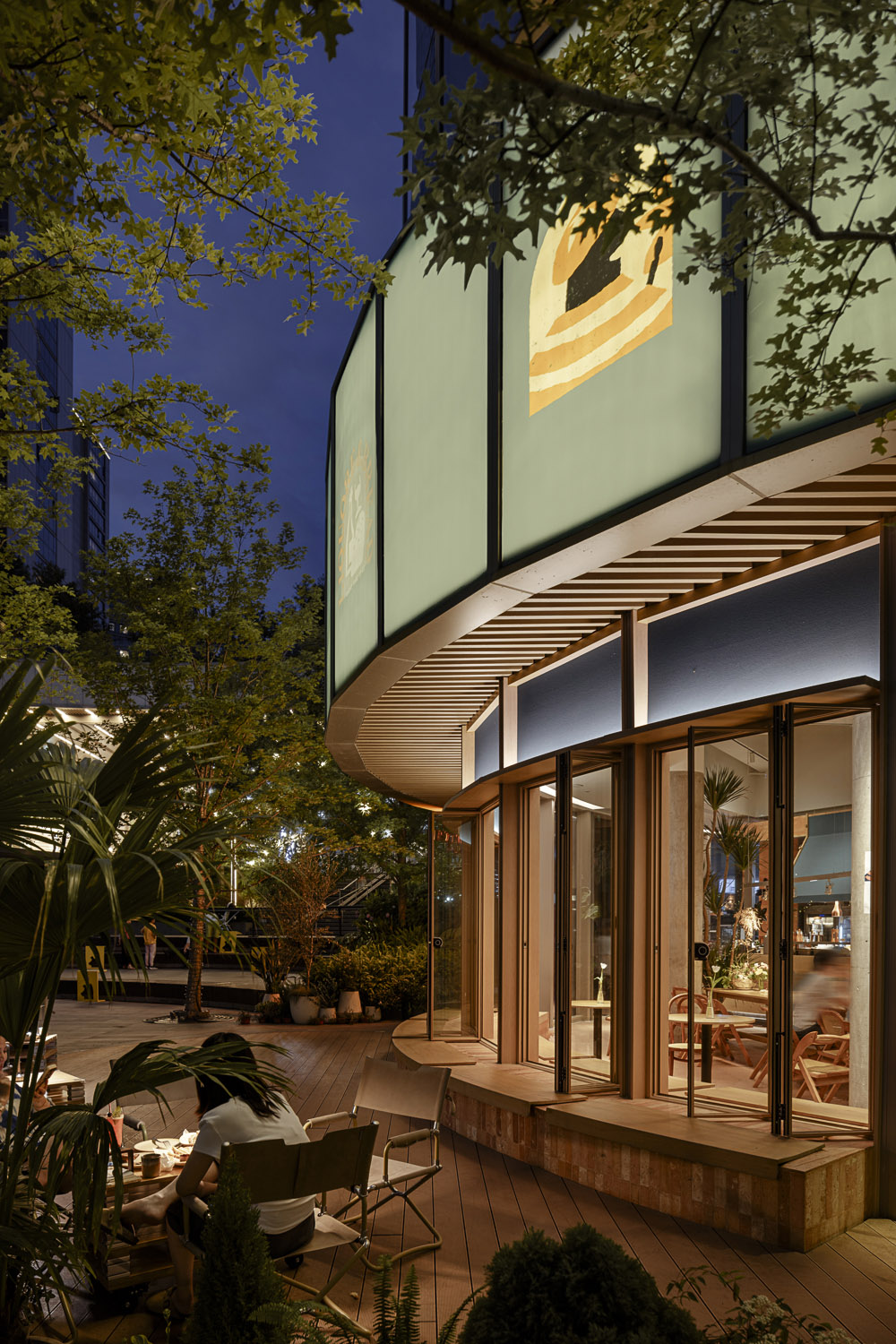
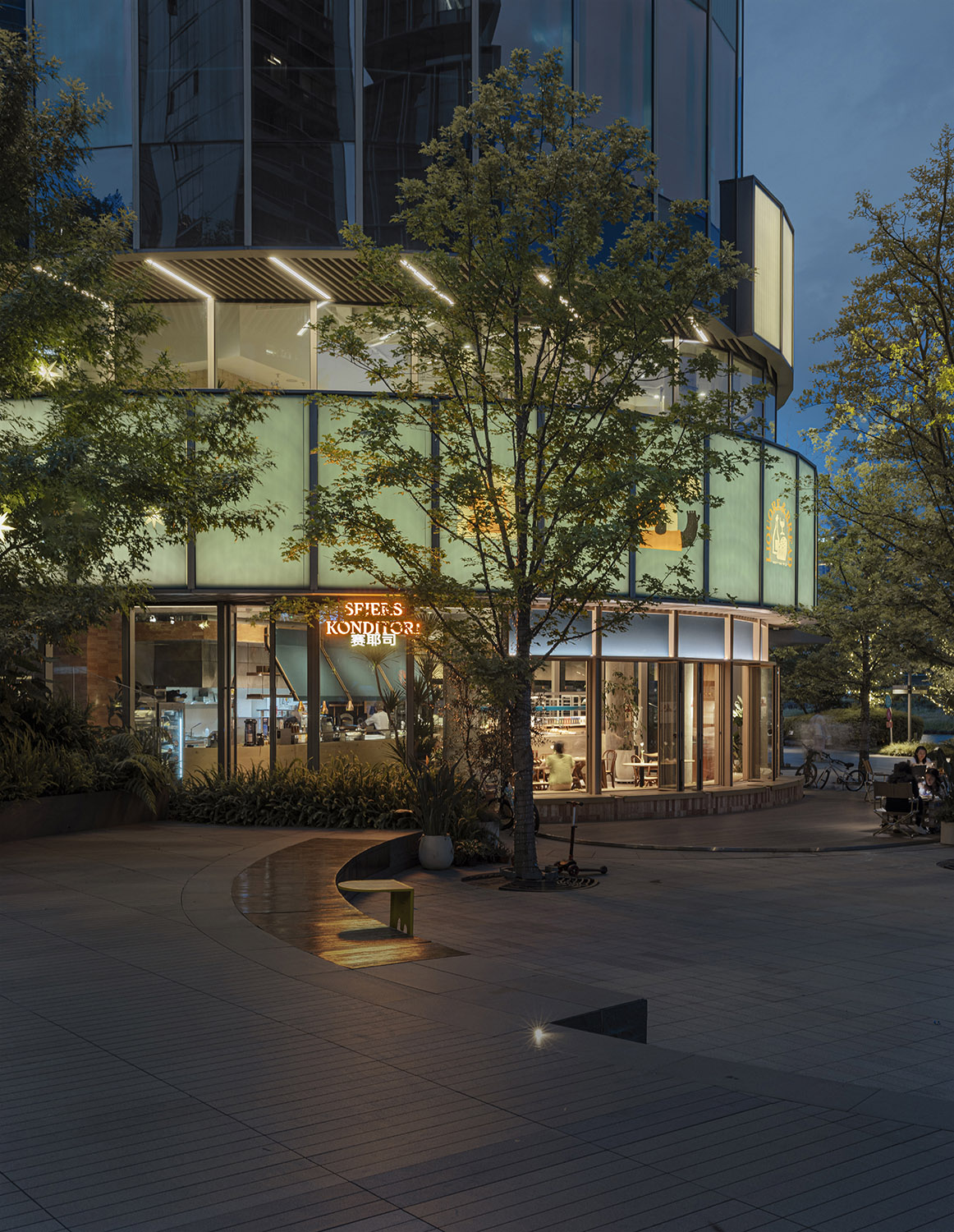
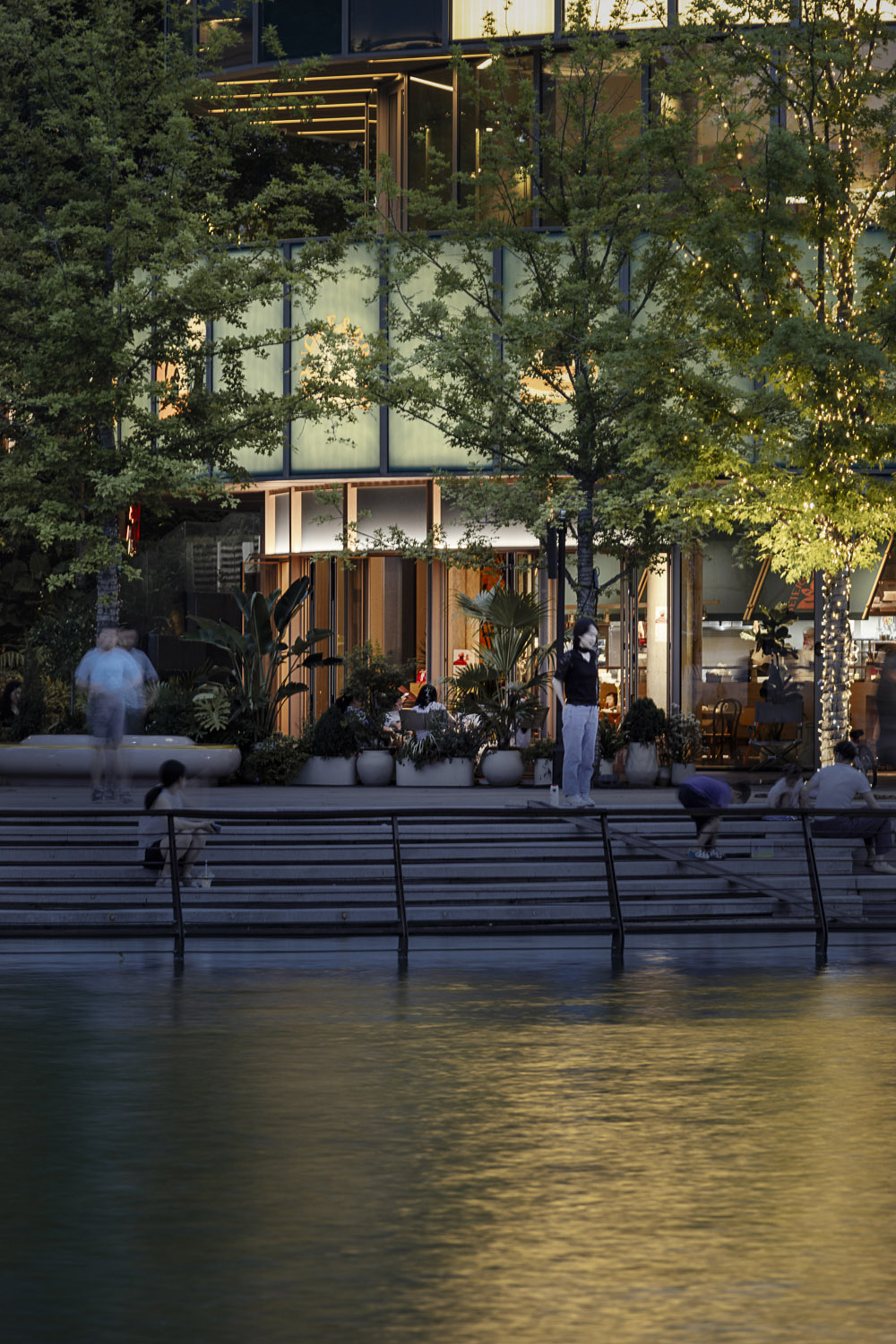
This space is more than a bakery-restaurant; it serves as one of the most vibrant social hubs on the neighborhood plaza. It is a place where people can just show up and be.
From freshly baked bread in the morning to brunch, lunch, afternoon tea, and finally dinner and drinks at night, the doors remain open to the community—welcoming everyone like a casual family dining room where you can always drop in for a home-cooked meal.
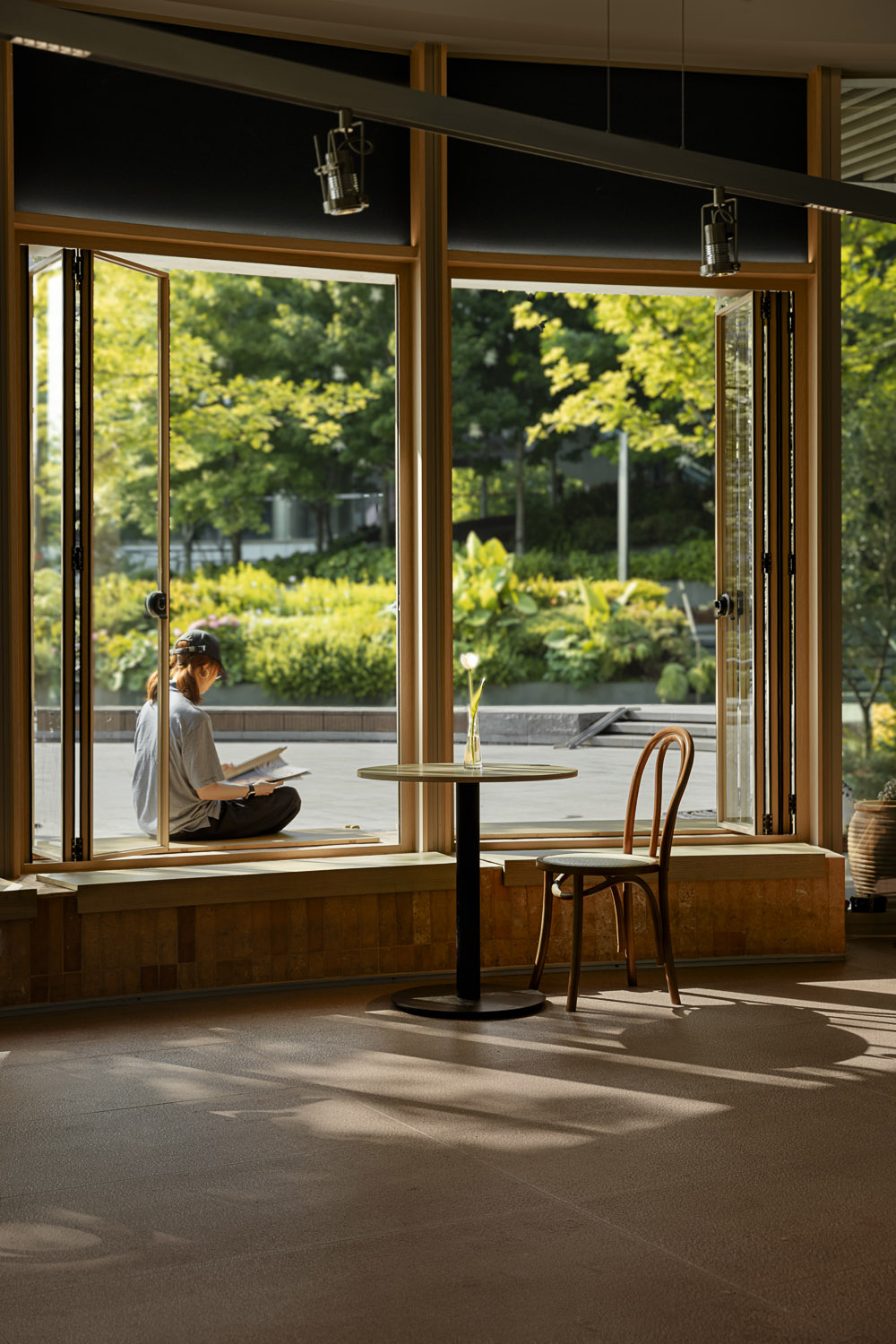
You can grab a warm loaf and rush off, or order lunch and stay for hours. You can lose yourself in thought by the window, or spend a slow afternoon catching up with friends. In the simple act of sharing food, connections between neighbors, families, and friends quietly take root.
02 Fluid Interface
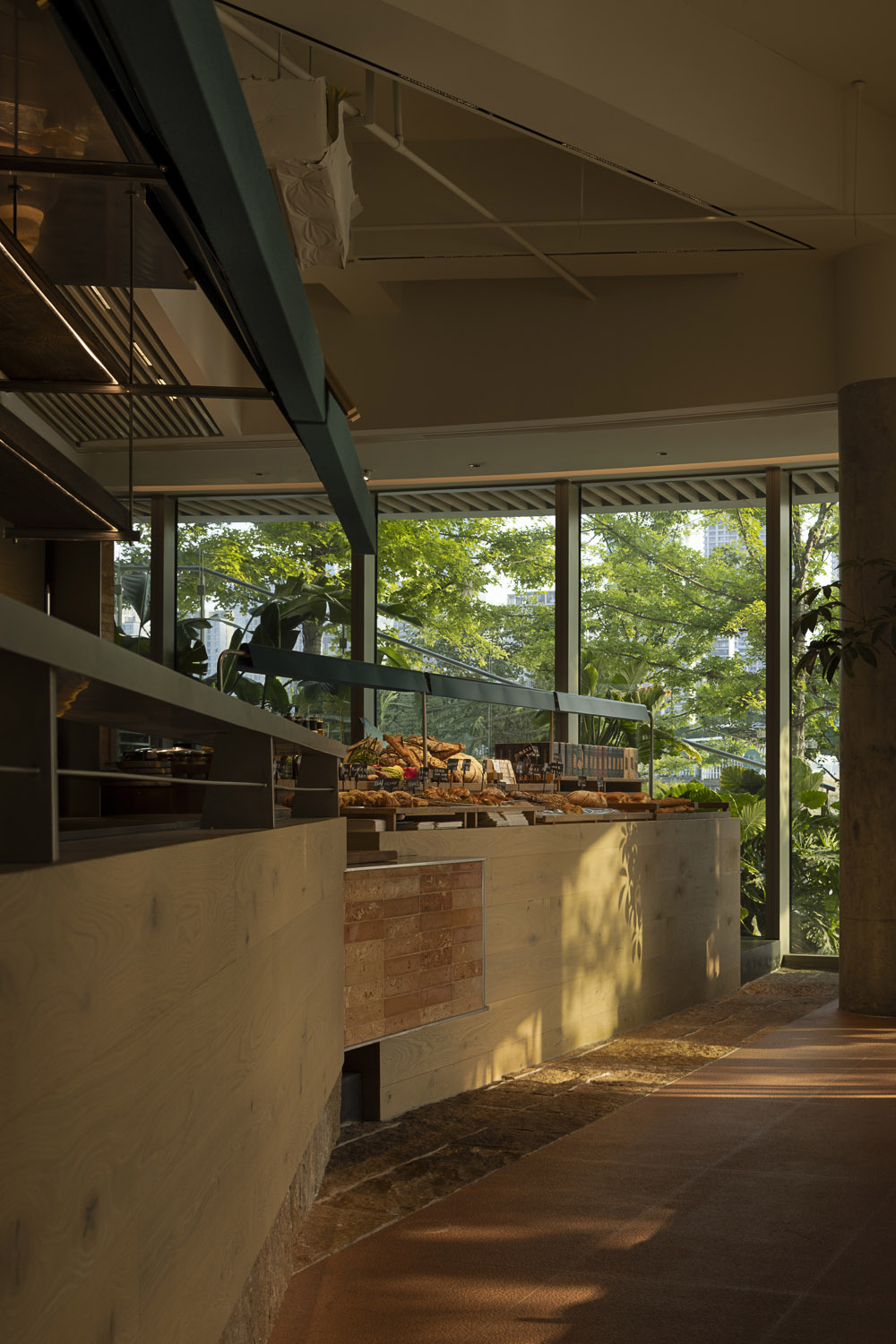
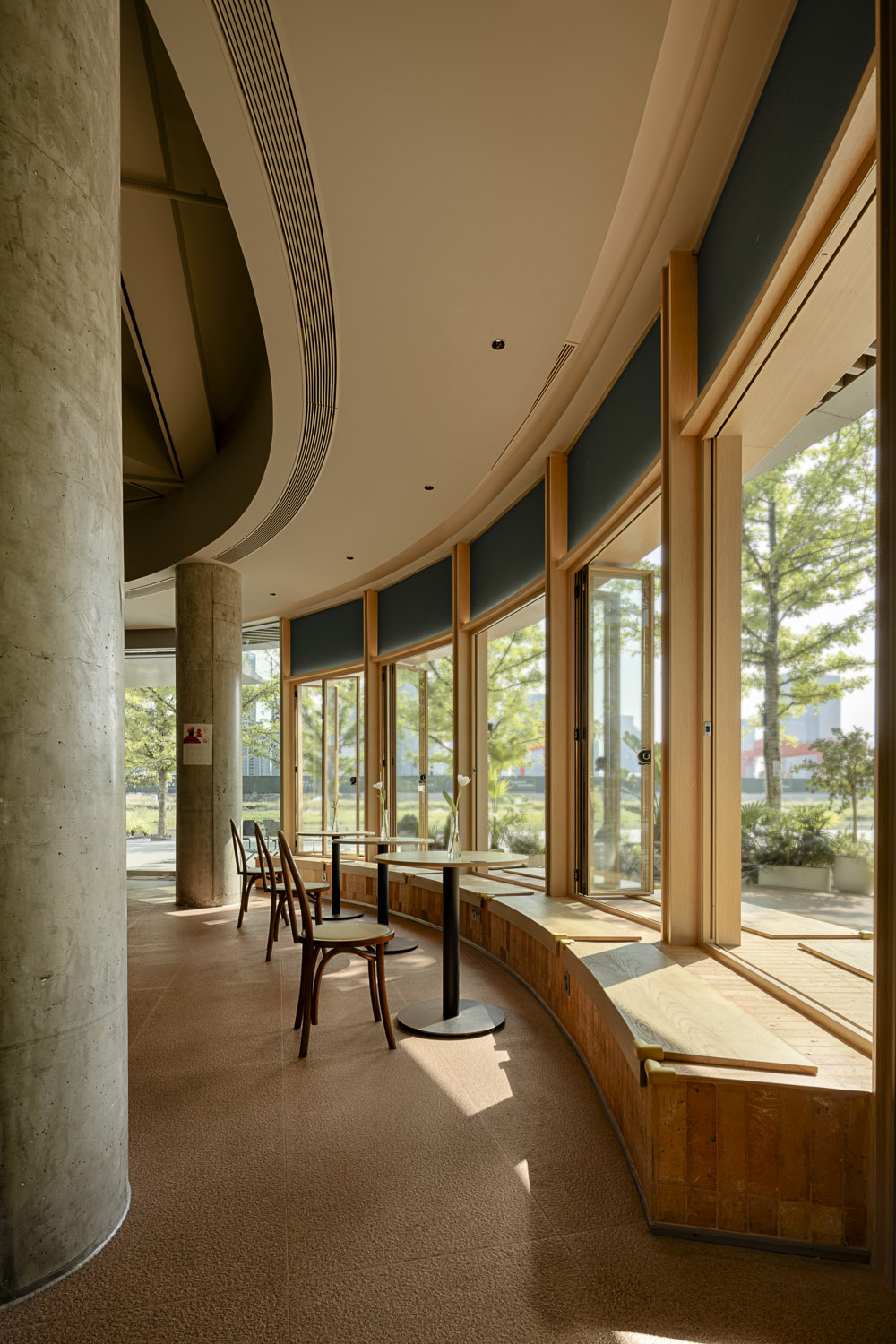
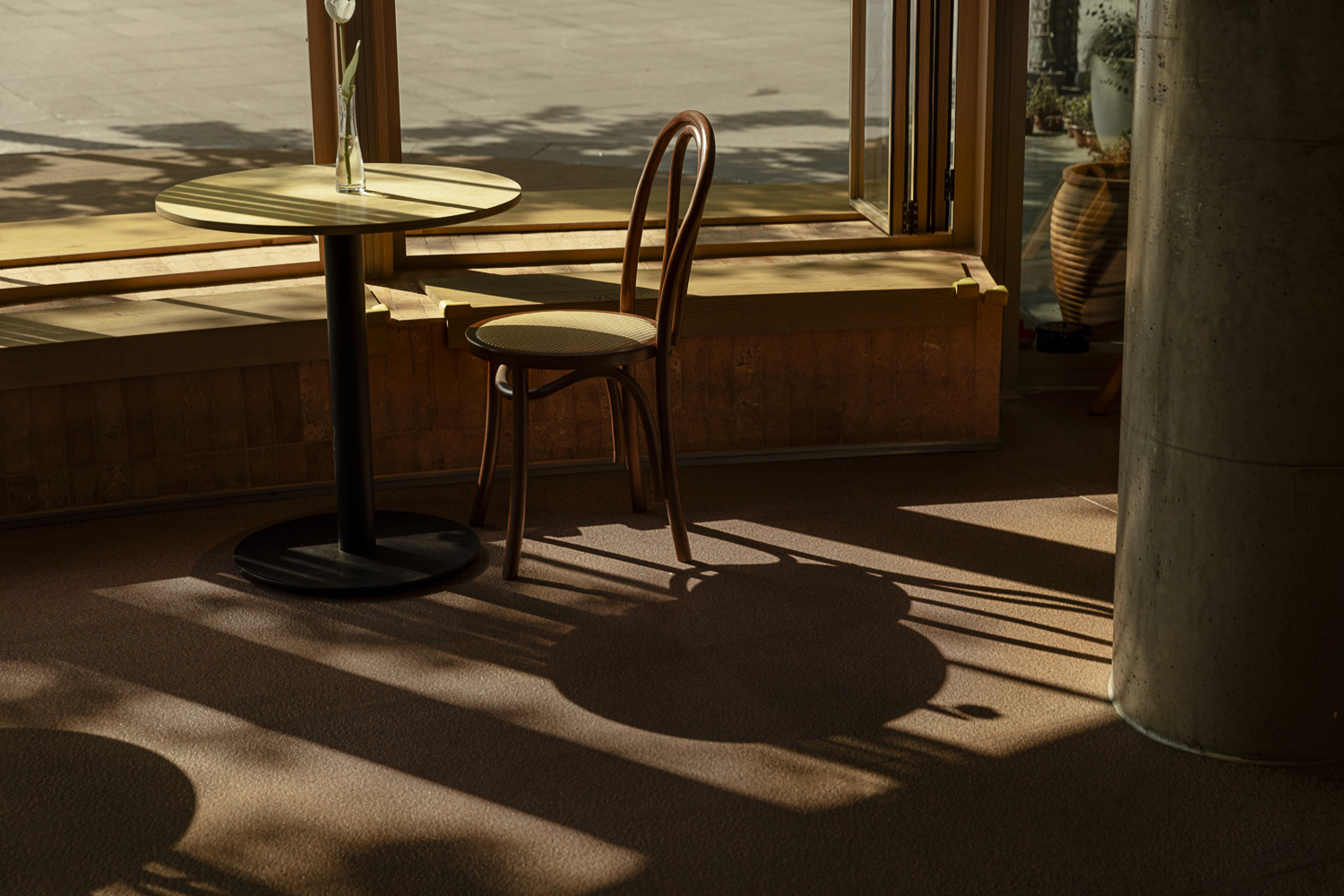
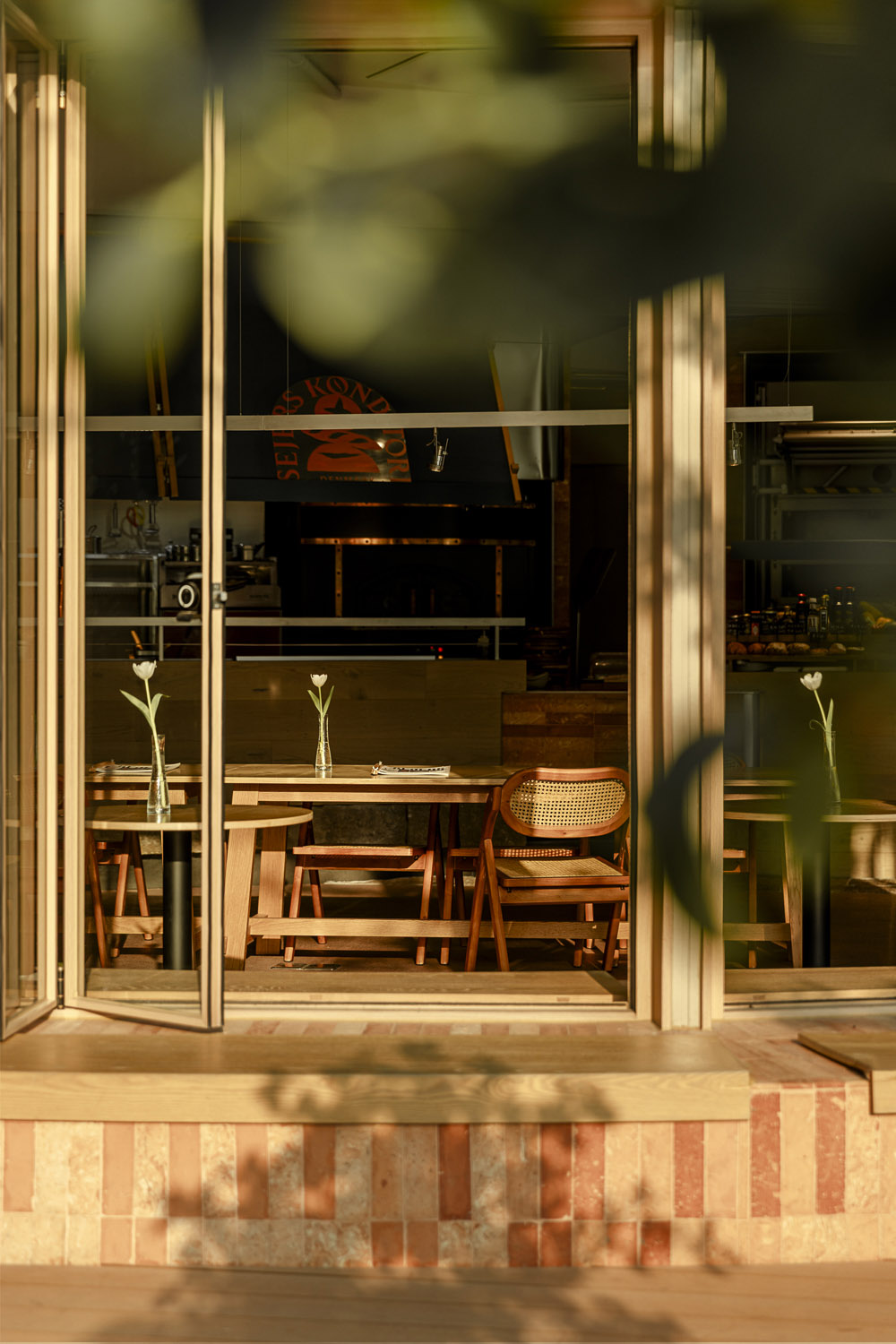
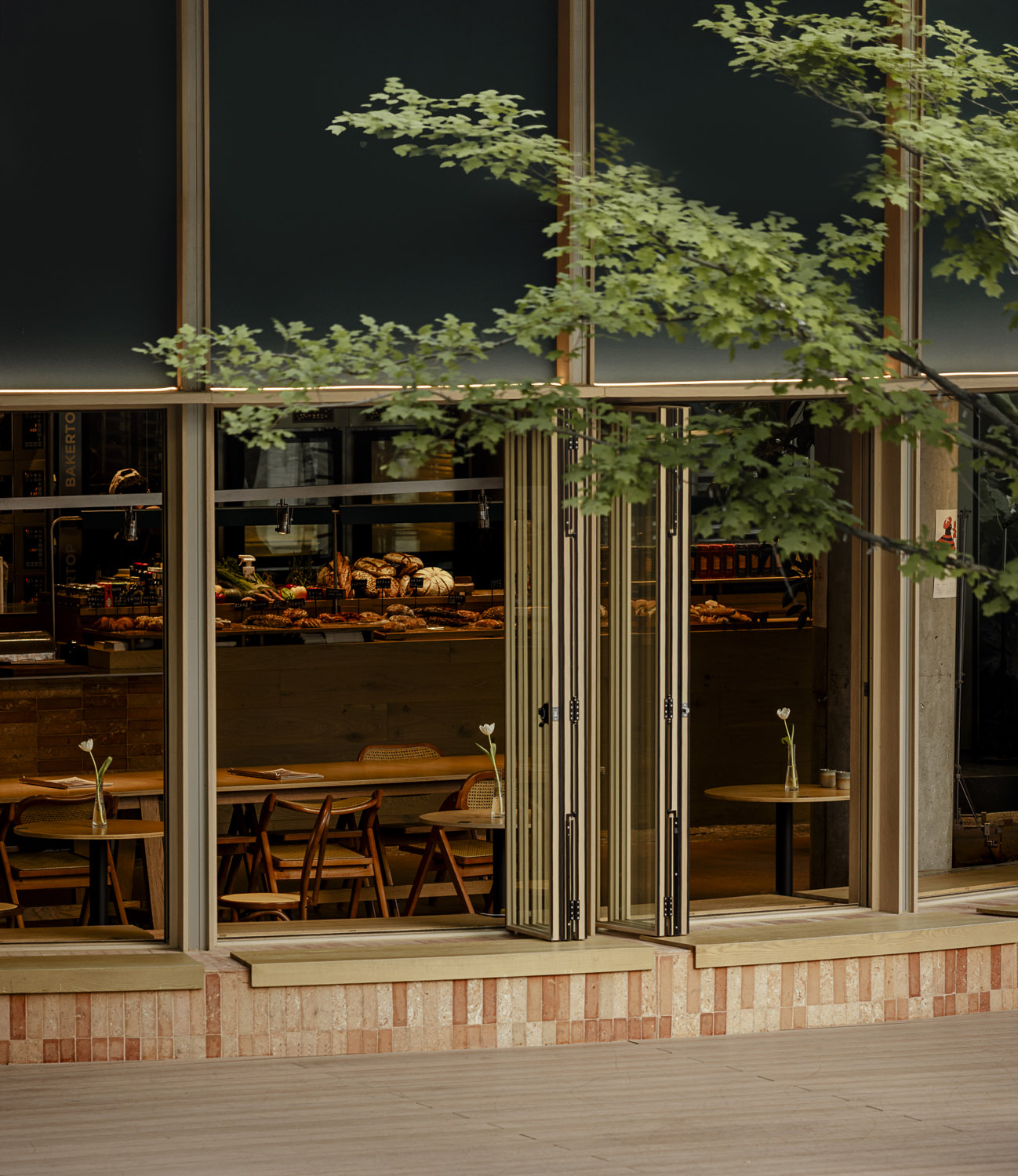
Sunlight filters through the rustling canopy, casting a leafy glow onto the tables. The boundaries of the building are intentionally softened, allowing views, natural light, and human activity to merge into a seamless, open experience.
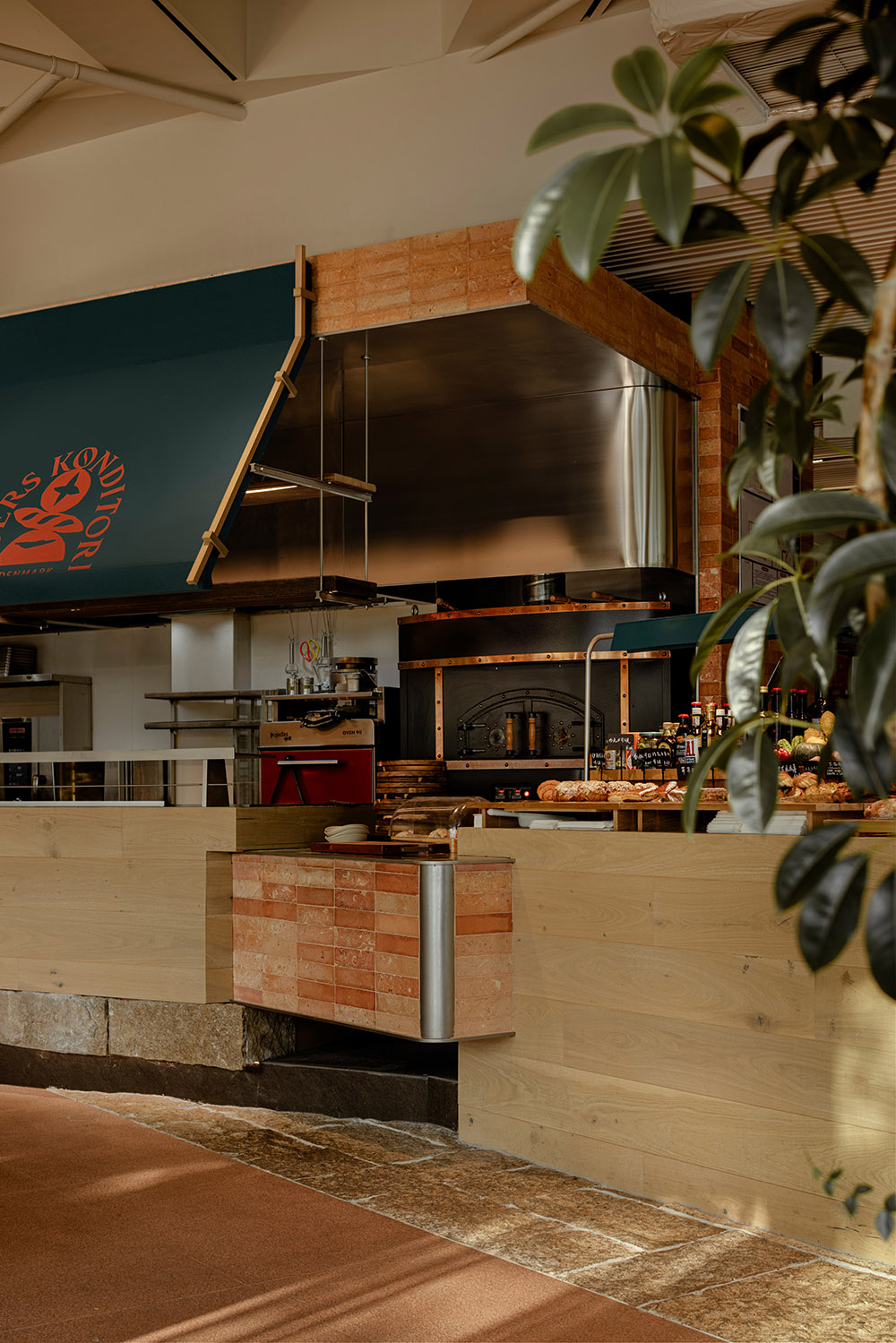
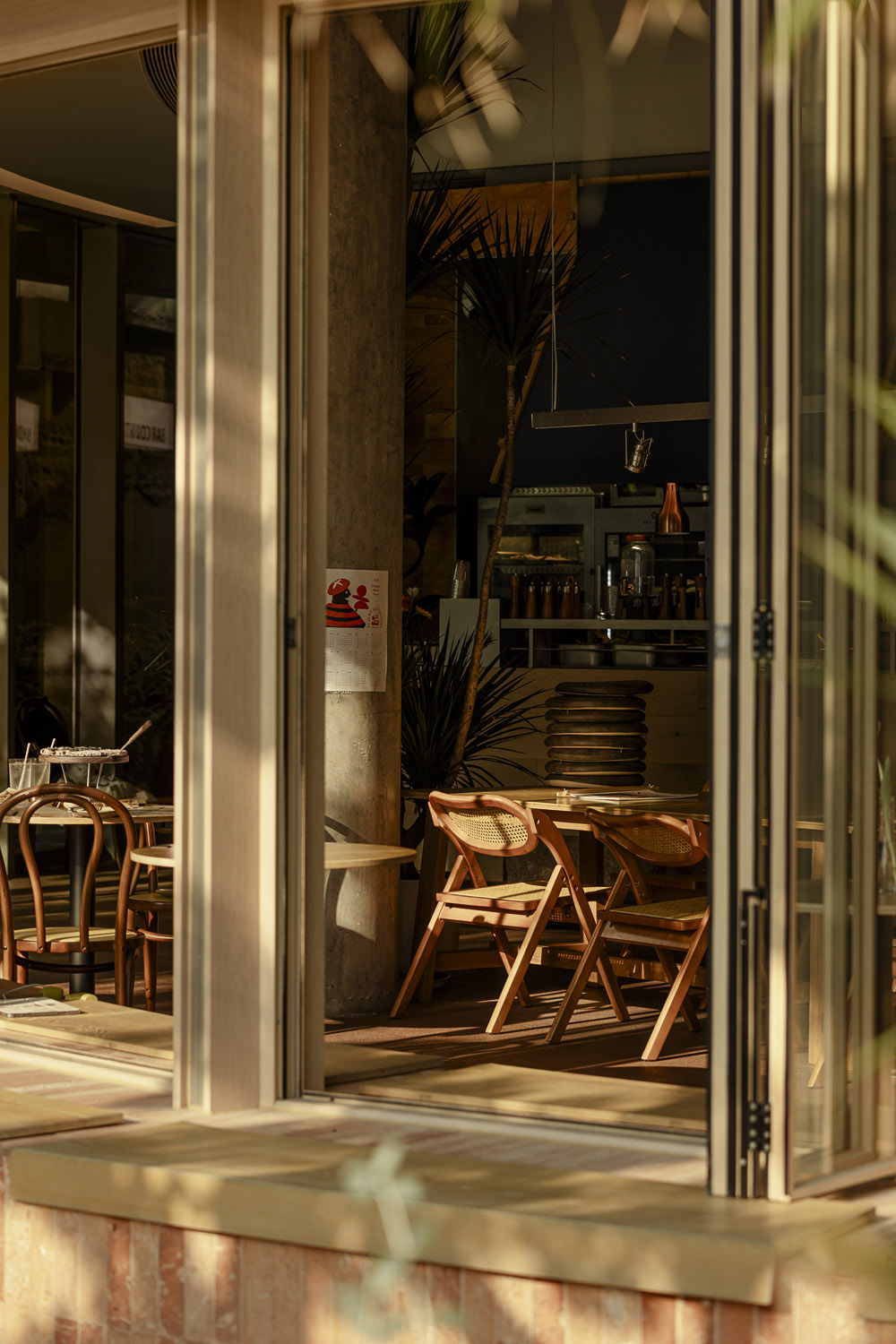
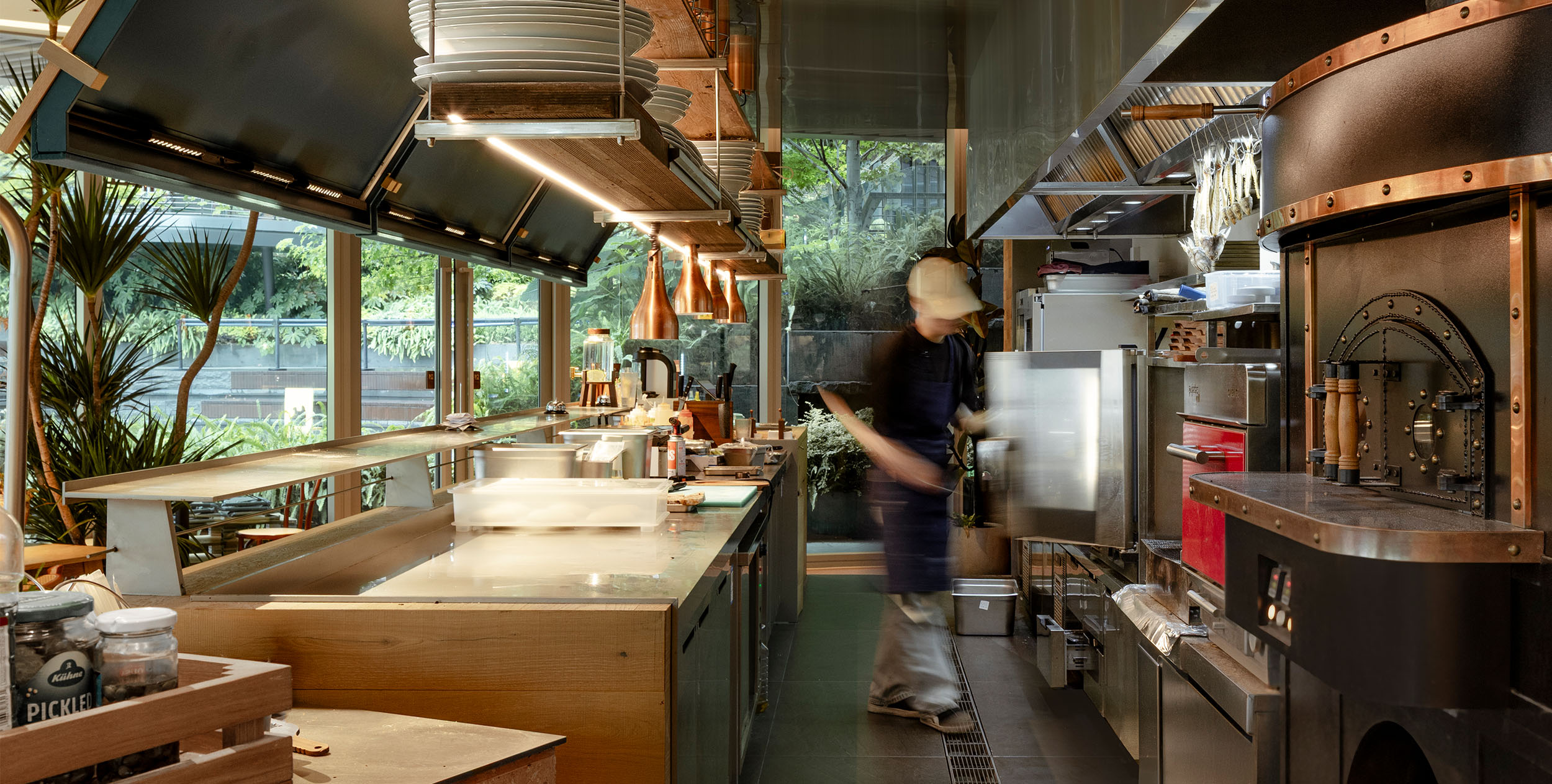
Within this openness, the "social kitchen" concept truly comes alive. The barrier between the kitchen and the dining area is completely removed, turning the craft of baking and cooking into part of the daily scenery. Food is not just made and shared here; it is seen.
In this way, the kitchen becomes less of a workspace and more of an open interface—a window where people can watch their food come to life, and witness the beauty of everyday living.
People may come for the bread, but they stay for something more.
The movement of people across the plaza, the aroma of warm bread, the hustle of the kitchen, and the hum of conversation around the tables all blend into the daily rhythm. The space ceases to be just a place of consumption; it becomes a living part of the neighborhood, constantly fostering connections through its open and fluid design.